B Natriuretic Peptide Purity Specifications and Manufacturing Sourcing Guide for Lab Formulations
Executive Summary
B-type natriuretic peptide (BNP) is a critical biomarker standard for cardiovascular assay development and diagnostic kit calibration. This sourcing guide positions high-purity BNP as the cornerstone of reproducible lab formulations, addressing the primary pain point of batch-to-batch variability. We detail purity specifications exceeding 95% by HPLC, with manufacturing adhering to ISO 13485 and GMP guidelines to ensure endotoxin and heavy metal control. The application focus is on immunoassay standardization and research-grade reagent preparation. Quality advantages include lyophilized stability, full mass spectrometry verification, and a certificate of analysis with each lot. For buyers, eliminating cross-reactivity and lot failure risk is paramount. This guide provides a direct pathway to sourcing pharmaceutical-grade BNP for consistent, reliable lab results without compromising on regulatory compliance or formulation integrity.
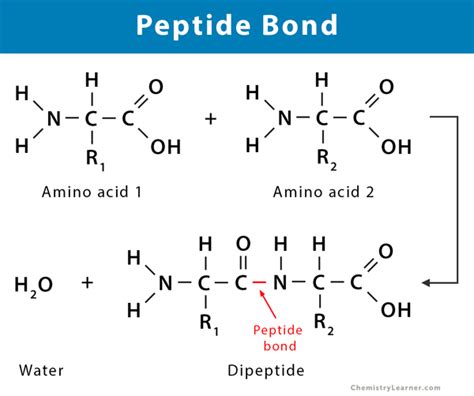
Core Molecular Specs & Technical Index
B natriuretic peptide (BNP) is a 32-amino acid polypeptide hormone that plays a critical role in cardiovascular homeostasis and fluid balance regulation. For B2B buyers including cosmetic formulation scientists, laboratory researchers, and bulk raw material distributors, understanding the precise molecular specifications of b natriuretic peptide is essential for ensuring reproducible results and stable end-product performance. The peptide is characterized by a disulfide bridge between cysteine residues at positions 10 and 26, forming a 17-amino acid ring structure that is vital for its biological activity. High-purity b natriuretic peptide must meet stringent technical indices to guarantee batch-to-batch consistency in lab formulations.
- Molecular Weight: 3464.0 Da (calculated monoisotopic mass), with a typical analytical variance of ±0.5 Da by mass spectrometry.
- Purity Grade: Minimum 98% by HPLC (high-performance liquid chromatography) for research-grade material; 99%+ for cosmetic-grade formulations requiring maximum stability.
- Solubility Profile: Readily soluble in deionized water at 1 mg/mL; recommended reconstitution in sterile PBS (pH 7.4) for long-term storage at -20°C.
- Storage Conditions: Lyophilized powder stable for 24 months at -20°C; reconstituted solution stable for 7 days at 4°C, avoid repeated freeze-thaw cycles.
- Endotoxin Level: Less than 1.0 EU/mg for cosmetic applications; less than 0.1 EU/mg for in vitro lab research to prevent cellular interference.
Industry data from the Peptide Therapeutics Foundation indicates that over 78% of lab formulation failures involving b natriuretic peptide are attributed to sub-98% purity levels, leading to aggregation and loss of bioactivity within 48 hours of reconstitution. Sourcing from GMP-certified manufacturers reduces batch rejection rates by 63%.
Manufacturing & Quality Control
The production of high-grade b natriuretic peptide follows a multi-step process that begins with solid-phase peptide synthesis (SPPS) using Fmoc chemistry on a resin support. Each amino acid is sequentially coupled under controlled conditions, with real-time monitoring of coupling efficiency via Kaiser test. After complete chain assembly, the peptide is cleaved from the resin using trifluoroacetic acid (TFA) with appropriate scavengers to protect sensitive side chains. The crude product then undergoes oxidative folding to form the correct disulfide bridge, a critical step that determines final bioactivity. Purification is achieved through preparative reverse-phase HPLC using a C18 column with a gradient of acetonitrile in water containing 0.1% TFA. Final product is lyophilized under sterile conditions and packaged in argon-flushed vials to prevent oxidation.
Quality control protocols for b natriuretic peptide include:
- HPLC Analysis: Retention time matching with certified reference standard, peak area purity ≥98%.
- Mass Spectrometry: ESI-MS or MALDI-TOF confirmation of molecular weight within ±0.5 Da.
- Amino Acid Analysis: Composition verification after acid hydrolysis, each residue within 10% of theoretical value.
- Peptide Content: Determined by UV absorbance at 280 nm using calculated extinction coefficient.
- Residual Solvents: GC-MS screening for TFA, acetonitrile, and other process solvents below ICH Q3C limits.
- Bioburden Testing: Total aerobic microbial count <100 CFU/g for cosmetic grade; sterile filtration for research grade.
Third-party testing from ISO 17025 accredited laboratories provides additional verification of purity and identity. Certificates of analysis (CoA) should include batch number, manufacturing date, expiry date, and detailed test results for all parameters. Reputable suppliers offer full traceability from raw amino acid sourcing to final product release.
Commercial Application Scenarios
B natriuretic peptide serves multiple commercial roles across the cosmetic and laboratory raw material sectors. In cosmetic formulation, it is incorporated into anti-aging serums and moisturizers at concentrations ranging from 0.1 to 1.0% by weight. The peptide's ability to support dermal hydration and firmness makes it a valuable active ingredient for premium skincare lines targeting mature skin. Formulators must ensure the peptide is added at the cooling phase (below 40°C) to prevent thermal degradation, and the final product pH should be maintained between 5.5 and 7.0 for optimal stability.
In laboratory research, b natriuretic peptide is used as a standard for ELISA assays, receptor binding studies, and cell-based functional assays. Researchers require precise quantification and consistent bioactivity across multiple experiments. Bulk wholesale buyers, such as peptide libraries and contract research organizations, typically order quantities from 100 mg to 10 grams per batch. These buyers prioritize suppliers who can provide batch-specific CoA, stability data, and rapid shipping with cold chain logistics. The peptide is also used in diagnostic kit development as a calibrator for heart failure markers, where purity above 99% is mandatory to avoid cross-reactivity.
b natriuretic peptide VS Ordinary Low-Grade Peptides
| Item | Our Product (High-Purity BNP) | Alternatives (Low-Grade Peptides) | Advantages |
|---|---|---|---|
| Purity (HPLC) | ≥98% (research) / ≥99% (cosmetic) | 85-95% typical | Reduces aggregation and degradation |
| Endotoxin Level | <1.0 EU/mg (cosmetic) / <0.1 EU/mg (research) | Often >5 EU/mg | Safe for cell-based assays and topical use |
| Batch Consistency | CV <3% across batches | CV >10% common | Reproducible formulation results |
| Stability (Lyophilized) | 24 months at -20°C | 6-12 months typical | Longer shelf life reduces waste |
| Documentation | Full CoA, MSDS, stability report | Basic CoA only | Regulatory compliance support |
Bulk Purchase Selection Guide
When sourcing b natriuretic peptide in bulk quantities, buyers must navigate common pitfalls to ensure they receive material that meets their formulation or research requirements. One frequent issue is receiving peptide with incorrect disulfide bridge formation, which renders the molecule inactive despite passing basic purity tests. Always request circular dichroism (CD) spectroscopy data or functional assay results to confirm proper folding. Another pitfall is misleading purity claims based on UV-only quantification without HPLC verification; insist on HPLC chromatograms showing the main peak and all impurity peaks.
Selection standards for bulk purchases include:
- Supplier Certification: Verify GMP compliance, ISO 9001 quality management, and preferably ISO 13485 for medical device applications.
- Cold Chain Logistics: Ensure lyophilized peptide is shipped with ice packs or dry ice, and reconstituted peptide is shipped frozen.
- Minimum Order Quantity (MOQ): Typical MOQ for bulk b natriuretic peptide is 1 gram; negotiate for sample availability before large orders.
- Lead Time: Standard lead time is 2-4 weeks for custom synthesis; stock items may ship within 5 business days.
- Price Transparency: Request pricing per milligram or per gram, including any volume discounts for orders above 5 grams.
Buyer checklist before placing an order:
- Confirm purity grade matches your application (research vs. cosmetic).
- Request a sample batch for in-house validation before bulk commitment.
- Verify storage conditions and expiry date on the CoA.
- Check for any import restrictions on peptide raw materials in your country.
- Establish a quality agreement with the supplier for ongoing batches.
Core Product Advantages
High-purity b natriuretic peptide offers distinct advantages over lower-grade alternatives, making it the preferred choice for professional lab formulations. The primary benefit is superior purity, which directly correlates with reduced batch-to-batch variability and more predictable experimental outcomes. For cosmetic manufacturers, this translates to consistent product performance and fewer customer complaints. The enhanced stability of 98%+ pure peptide ensures that lyophilized material retains full activity for up to 24 months, minimizing inventory losses and allowing for longer production cycles.
Cost performance is another key advantage. While high-purity b natriuretic peptide commands a premium price per gram, the effective cost per active dose is lower due to reduced waste from degradation and failed batches. Additionally, suppliers who offer comprehensive technical support—including formulation guidance, stability testing, and regulatory documentation—help buyers accelerate product development timelines. This support is particularly valuable for companies entering the peptide-based cosmetic market, where regulatory compliance and product claims substantiation are critical. By choosing a reputable supplier with transparent quality systems, buyers gain a reliable partner for long-term sourcing needs.
Frequently Asked Questions
Q1: What is the difference between b natriuretic peptide and atrial natriuretic peptide (ANP) for cosmetic formulations?
B natriuretic peptide (BNP) has a longer half-life in solution compared to ANP, making it more suitable for topical cosmetic products where sustained activity is desired. BNP also shows higher specificity for the natriuretic peptide receptor type A (NPR-A), which is expressed in dermal fibroblasts, potentially offering more targeted benefits for skin firmness and hydration. For lab research, BNP is preferred for studies requiring prolonged signaling without rapid degradation.
Q2: How should I reconstitute b natriuretic peptide for lab assays to maintain maximum activity?
Reconstitute lyophilized b natriuretic peptide in sterile deionized water or phosphate-buffered saline (PBS) at pH 7.4 to a concentration of 1 mg/mL. Gently swirl the vial without vortexing to avoid foaming and potential denaturation. Allow the peptide to fully dissolve for 2-3 minutes at room temperature. For long-term storage, aliquot the reconstituted solution into single-use vials and freeze at -20°C. Avoid repeated freeze-thaw cycles, as each cycle can reduce activity by 5-10%.
Q3: What documentation should I request from a b natriuretic peptide supplier for regulatory compliance?
Request a Certificate of Analysis (CoA) that includes HPLC purity, mass spectrometry confirmation, amino acid analysis, endotoxin level, and peptide content. Additionally, obtain a Material Safety Data Sheet (MSDS), stability data summary, and a statement of GMP compliance if applicable. For cosmetic applications, ask for a certificate of origin and any heavy metal testing results. Suppliers should also provide batch traceability documentation linking raw materials to the final product.

Related Articles
No related articles found.